Sites › Asia › Çatalhöyük (Türkiye)
Çatalhöyük (Türkiye)
In Plain English — The 30-Second Takeaway
A large early farming town of mud-brick houses in central Türkiye.
18 levels of homes. Close relatives were rare among children buried in the same house.
Scholars see it as a key early farming town.
The DNA team thinks people living in a house were not always family.
Site Story & Overview
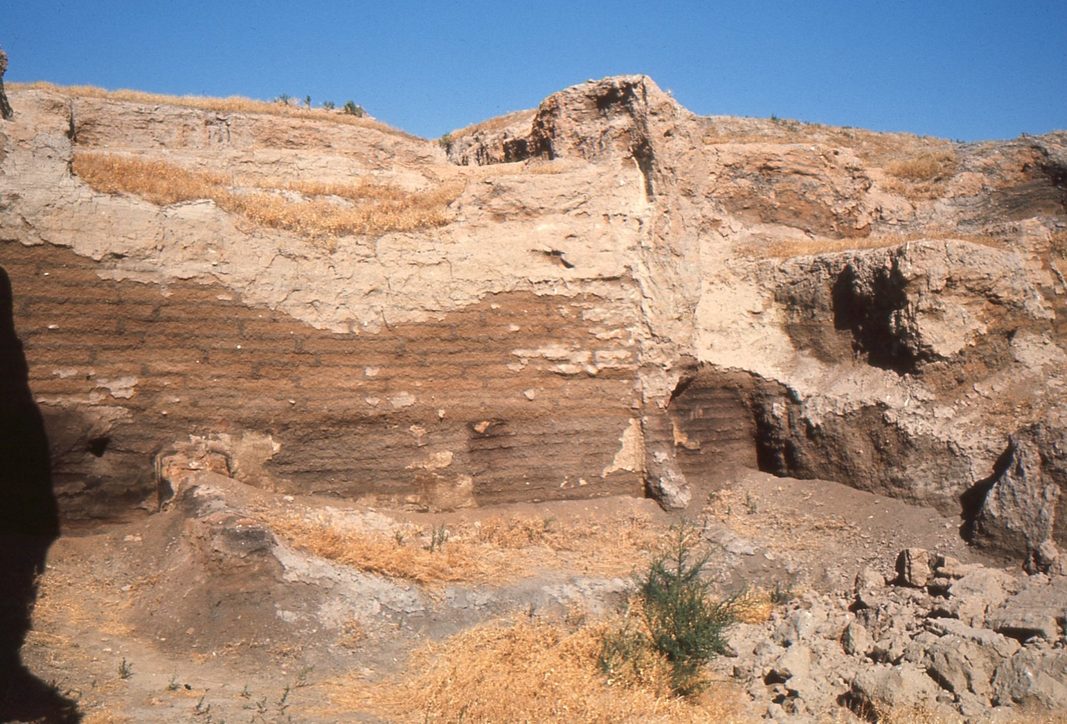
Çatalhöyük is one of the best-kept early farming towns in the world. People lived there for well over a thousand years, building new homes on top of old ones.
▸ Read Full Archaeological & Engineering Context
They often buried their dead under the floors of their houses. A 2021 DNA study asked whether the people buried in each house were family.
✓ What Is Physically Measured on Site
Dated samples, laser scans, stone weights, and dug finds kept separate from opinion.
- Two mounds, many levels: UNESCO says the site has two mounds up to 20 m high. The East mound holds 18 levels of Neolithic homes from about 7400 to 6200 BC. The West mound holds later levels from about 6200 to 5200 BC. [1]
- Houses with roof doors: The houses were built back to back and entered from the roof. Many had wall paintings and reliefs. [1]
- DNA from burials: A 2021 study read 59 ancient genomes from early farming villages in Anatolia. 22 were new, from Aşıklı Höyük and Çatalhöyük. [2]
- Few close relatives in a house: At Çatalhöyük and Barcın, few close relatives were found among children buried in and around the same houses. The older villages were different. At Aşıklı Höyük and Boncuklu, brothers, sisters, parents and children were often buried in the same building. [2]
🏛️ Mainstream Archaeological View
- Accepted timeline: A large Neolithic town in central Türkiye. UNESCO dates the 18 Neolithic levels of the East mound to about 7400–6200 BC.
- Stone & hardness: Not reported in the sources on this page. Mohs hardness: not reported in our sources.
- Quarry distance & alignment: Stone source not reported in the sources on this page. Orientation: Not reported in the sources on this page.
🧭 Leading Edge Proposal & Open Questions
- Interpretation: Yaka and colleagues (2021): Households not built on blood ties? The authors say family ties may not have decided where children were buried at Çatalhöyük. They say this fits the idea that a house there could hold people who were not related by blood. The study looked mainly at children. [2]
Primary Academic Sources
▸ View All Cited Primary Sources & DOIs (2 papers)
- UNESCO World Heritage Centre. Neolithic Site of Çatalhöyük (list no. 1405), accessed 2 November 2026 https://whc.unesco.org/en/list/1405 background
- Yaka, R., Mapelli, I., Kaptan, D., Doğu, A., Chyleński, M., Erdal, Ö. D. & others (2021). Variable kinship patterns in Neolithic Anatolia revealed by ancient genomes. Current Biology 31(11): 2455–2468. doi:10.1016/j.cub.2021.03.050 data
Dates and stone checks are summed up in plain English from the papers above. Measured facts stay separate from opinion. Methodology.