△ TruthInStone

Claims › Amazon & LiDAR lost cities › Amazonian dark earth (terra preta) was made on purpose

Amazonian dark earth (terra preta) was made on purpose

Status: Contested Verdict: Mostly measured: dark earths are human-made and in part deliberately made; one team still argues some formed naturally
30-SECOND TAKEAWAY

In Plain English — The 30-Second Takeaway

What It Is:

Did ancient Amazonians deliberately mix charcoal, bone, and pottery to make super-fertile black soil ('terra preta')?

What Everyone Agrees On (Measured Facts):

Dark earth patches up to 2 meters deep hold 2 to 3 times more carbon and phosphorus than normal jungle dirt.

🏛️ Mainstream Archaeology View:

Most soil experts agree Native farmers made these rich soils through charcoal burning, compost. Also, village waste.

🧭 Leading Edge View:

A 2021 study suggested river floods brought some nutrients first. Meanwhile, a 2023 study confirmed villagers still make dark soil on purpose.

Overview & Context

Terra preta contains charcoal, pottery, bone and other refuse that raise its fertility far above the surrounding soils, and it stays fertile for centuries. The Upper Xingu towns mapped by Michael Heckenberger (see the site page) are the closest real-world match to Fawcett's lost city.

▸ Read Technical Background, Full Claim Wording & Academic Literature History

Formal claim tested: The fertile black soils found across the Amazon, terra preta, were deliberately created by ancient Amazonians to improve poor rainforest soil. Their extent is evidence of large, settled populations. This is one line of evidence behind accounts such as Percy Fawcett's 'Lost City of Z' and the modern discoveries in the Upper Xingu.

Where the evidence stands: That dark earths are tied to human town is long established. A 2023 study compared ancient deposits with soil-making still practised by the Kuikuro people of the Upper Xingu and concluded they were made intentionally. A 2021 paper proposed that some dark earths began as natural river deposits that people later used. It drew a rebuttal and a reply, so that point is still argued. On the weight of evidence, and the newest work, deliberate creation is the better-supported view.

They were a network of planned villages with roads and earthworks, not a single stone city. See also the Amazon was not a pristine wilderness.

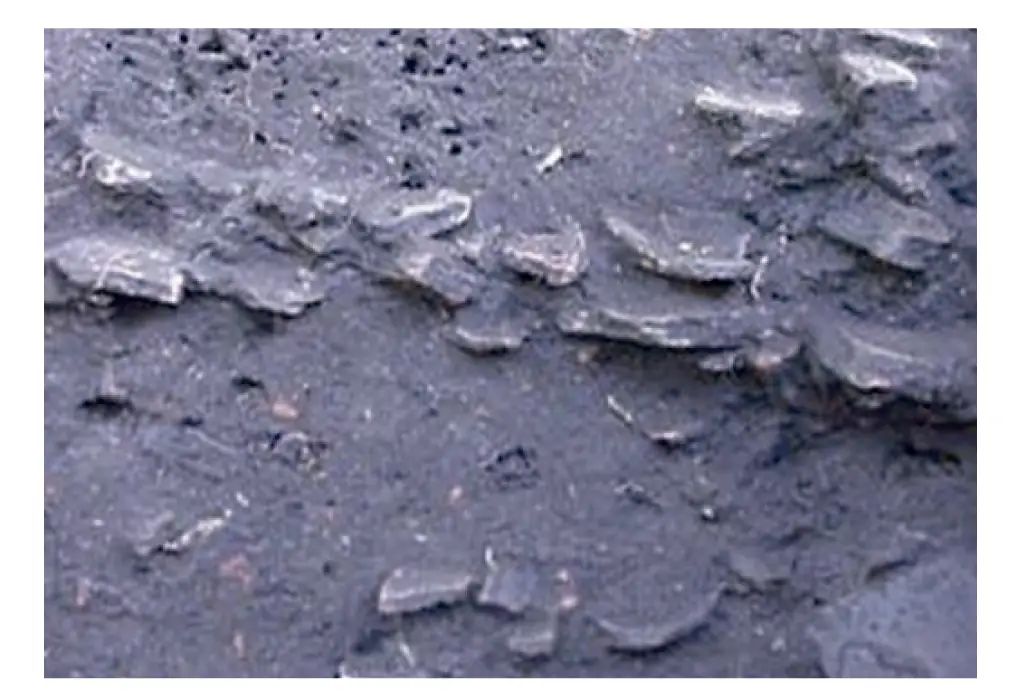
Close view of dark terra preta soil
Terra preta, dark soil enriched with charcoal and organic waste. Image: Bruno Glaser, CC BY 4.0, via Wikimedia Commons. Resized.
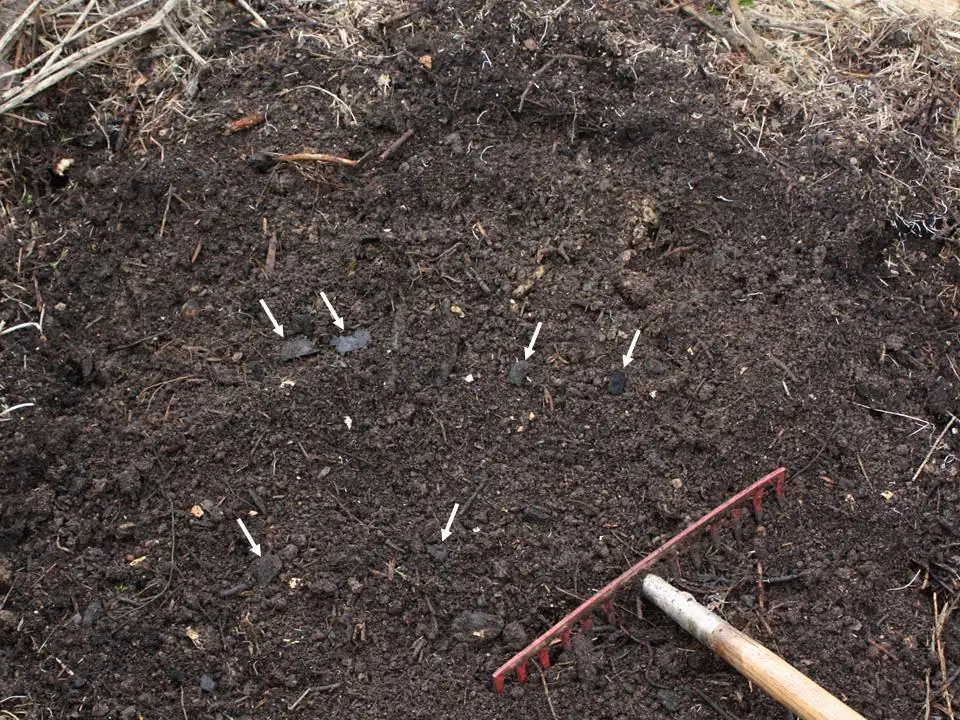
A dug surface of dark terra preta soil with small marker flags and a trowel
Terra preta exposed during fieldwork. Image: Holger Casselmann, CC BY-SA 3.0, via Wikimedia Commons. Resized.

✓ What Has Been Physically Measured

Dates, physical measurements, and excavated findings kept separate from interpretation.

🧭 Proponents' Case & Cited Evidence

  • Man-made rich black soil: Modern Kuikuro groups deliberately enrich soil around their villages with ash, charcoal and food waste. This gives a direct model for how the ancient deposits were made. [1]
  • Key finding: A group of soil scientists and archaeologists argued that chemistry, artefacts and site distribution all point to a human origin across the Amazon basin. [3]

🏛️ Mainstream Archaeological View & Evidence

  • Key finding: Silva and colleagues proposed that dark earths at one central Amazon site began as nutrient-rich river deposits, which people then settled on and used, rather than soils they created. [4]
  • Key finding: In their reply, the same team argued that the amounts of nutrients involved would need implausibly long occupation or very large catchments if all came from human refuse. [5]

🔬 What Future Tests Would Settle It

Dating the start of dark-earth formation at many sites, and comparing it with dated occupation, would show whether the soil follows people or the other way round. Wider surveys would test the population estimates built on it.

Ancient Sites Involved

Upper Xingu settlements (including Kuhikugu) · Casarabe culture sites (Cotoca and Landívar)

Related Tested Claims

📚 Further Reading: Both Sides of the Argument

Top books from both sides of the debate on this topic. Browse all 34 books on Books & Further Reading or visit our Search for the Truth Bookshop.org storefront.

Mainstream Baseline 2005 ★ 4.6/5

1491: New Revelations of the Americas Before Columbus (2nd ed.)

Charles C. Mann

Shows how new digs and laser maps proved the ancient Americas held big cities, roads, and farms long before Columbus.

▸ Why this book matters to both sides

Surveys the archaeological, botanical, and demographic discoveries showing that the pre-Columbian Americas—from Caral-Supe and the Amazon basin to Cahokia—were older, more populous, and more engineered than once taught.

Role in the debate: Documents how mainstream field evidence overturned the 20th-century 'pristine wilderness' model in the Amazon and pushed giant buildings in Peru back to the third millennium BCE. (ISBN 9781400032051)

Mainstream Baseline 2021 ★ 4.5/5

The Dawn of Everything: A New History of Humanity

David Graeber & David Wengrow

Examines how hunter-gatherers built giant stone sites like Göbekli Tepe and Poverty Point without kings or farming.

▸ Why this book matters to both sides

An culture scholar and an archaeologist examine Göbekli Tepe, Karahan Tepe, Poverty Point, Watson Brake, and Teotihuacan. It challenges the textbook step-by-step ladder from small hunter-gatherer bands to states.

Role in the debate: Shows how mainstream archaeology accounts for giant buildings built by hunter-gatherers (Göbekli Tepe, Poverty Point) without invoking a single global parent culture. (ISBN 9781250858801)

Leading Edge 2019 ★ 4.7/5

America Before: The Key to Earth's Lost Civilization

Graham Hancock

Explores Amazon earthworks, Serpent Mound, ancient DNA, and early American sites to argue for an Ice Age culture in the Americas.

▸ Why this book matters to both sides

Tests pre-Clovis archaeological sites, Ancient North Eurasian DNA signals, Amazonian earthworks, Serpent Mound, and Poverty Point. It argues the Americas were central to an Ice Age cultural network.

Role in the debate: Contrasts directly with Charles Mann's *1491* and mainstream Americanist archaeology on early peopling, Amazon geoglyphs, and North American earthen mounds. (ISBN 9781250756954)

FTC affiliate disclosure: Book links go to Bookshop.org (ID 130218, Search for the Truth). Each sale helps local bookstores and pays us a 10% fee at no extra cost to you. All partner links use rel="sponsored nofollow noopener". Fees never change our verdicts. Affiliate disclosure.

Primary Academic Sources

▸ View All Cited Primary Sources & DOIs (7 papers)
  1. Schmidt, M. J., Goldberg, S. L., Heckenberger, M. et al. (2023). Intentional creation of carbon-rich dark earth soils in the Amazon. Science Advances 9. doi:10.1126/sciadv.adh8499 data
  2. Goldberg, S. L., Schmidt, M. J. et al. (2024). Widespread Amazonian dark earth in the Xingu Indigenous Territory. Nature Sustainability 7. doi:10.1038/s41893-024-01399-3 data
  3. Lombardo, U., Arroyo-Kalin, M., Schmidt, M. et al. (2022). Evidence confirms an anthropic origin of Amazonian Dark Earths. Nature Communications 13. doi:10.1038/s41467-022-31064-2 data
  4. Silva, L. C. R., Corrêa, R. S., Wright, J. L. et al. (2021). A new hypothesis for the origin of Amazonian Dark Earths. Nature Communications 12. doi:10.1038/s41467-020-20184-2 critique
  5. Silva, L. C. R. et al. (2022). Reply to: Evidence confirms an anthropic origin of Amazonian Dark Earths. Nature Communications 13. doi:10.1038/s41467-022-31065-1 critique
  6. Heckenberger, M. J. et al. (2003). Amazonia 1492: pristine forest or cultural parkland? Science 301. doi:10.1126/science.1086112 data
  7. Heckenberger, M. J. et al. (2008). Pre-Columbian urbanism, anthropogenic landscapes, and the future of the Amazon. Science 321. doi:10.1126/science.1159769 data

More in this section: Amazon & LiDAR lost cities.

Sources checked against Crossref and publisher pages on 2026-10-23. This entry presents a debated idea neutrally: the proponents' case first, then the mainstream position, in plain English. "Open question" is not a judgment that the idea is true or false. Labels describe the claim, not the people who hold it. Methodology.